The physical book
$24.95
Free shipping.
Includes the Pimpin’ Chicken Rolodex and a Fodder Fit Call.
eBook sold separately.
By Sean Short
Feed costs. Water. Land. The way we feed our animals touches all three.
Explore how hydroponic fodder can fit your farm, your animals and the resources you have. Understand the science before you invest in a system.
GRAB YOUR COPY NOWPhysical book $24.95 · eBook $7.95 · Both $29.95
Free shipping on physical-book options.
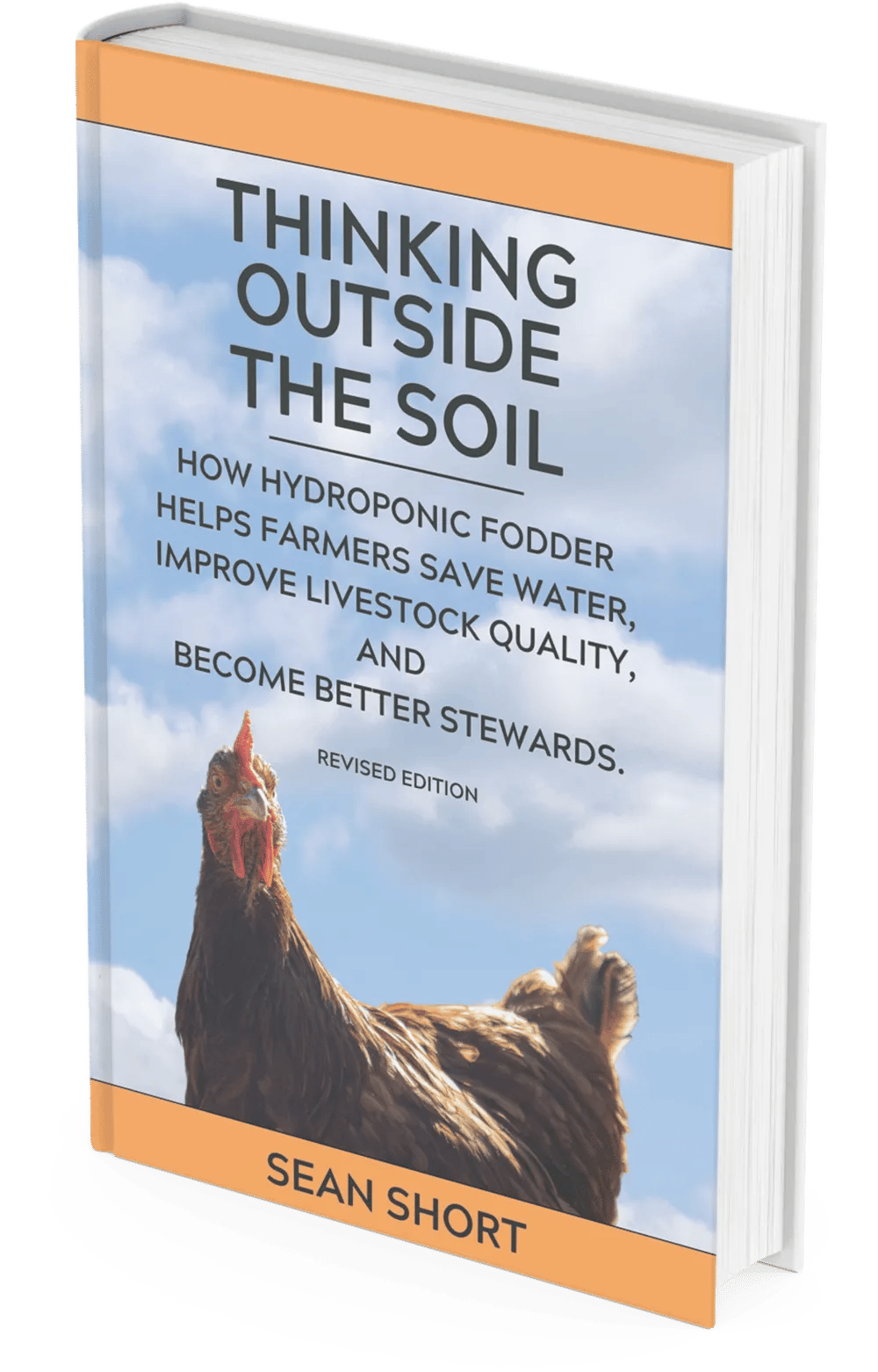
Does this sound familiar?
Feed costs keep changing. Water and space have limits. You want to know what else could work, without buying equipment on someone else’s promise.
A clearer view of your feed options. A way to weigh the work, costs and benefits for your own flock or herd. Enough understanding to choose a next step that fits.
A clear path from stuck to thriving
Thinking Outside the Soil brings the science of hydroponic fodder into everyday language, with farm examples, crop comparisons and questions worth asking.
These three areas connect throughout the book: what you grow, how it fits your animals’ diets, and what it takes to produce it. Together, they help you judge the idea on your own terms.
Pillar one
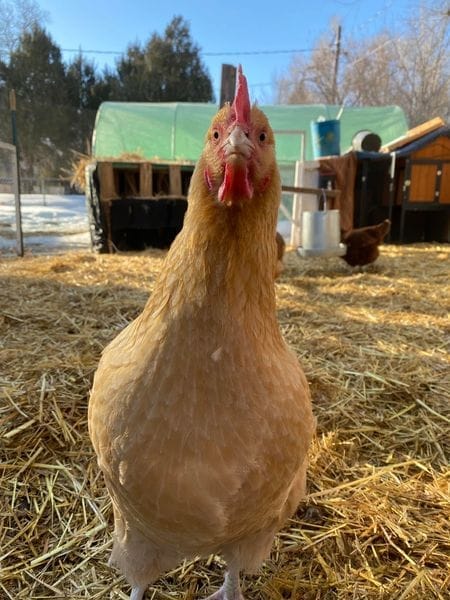
Producing fresh feed doesn’t always require soil or vast farmland.
Explore sprouts, microfodder and greenwater, along with crops such as barley, alfalfa and sunflower. See how the approaches differ and what matters when choosing among them.
Yield alone doesn’t tell you whether a system makes sense. The book helps you think through inputs, daily work and opportunity cost before committing your time or money.
Pillar two
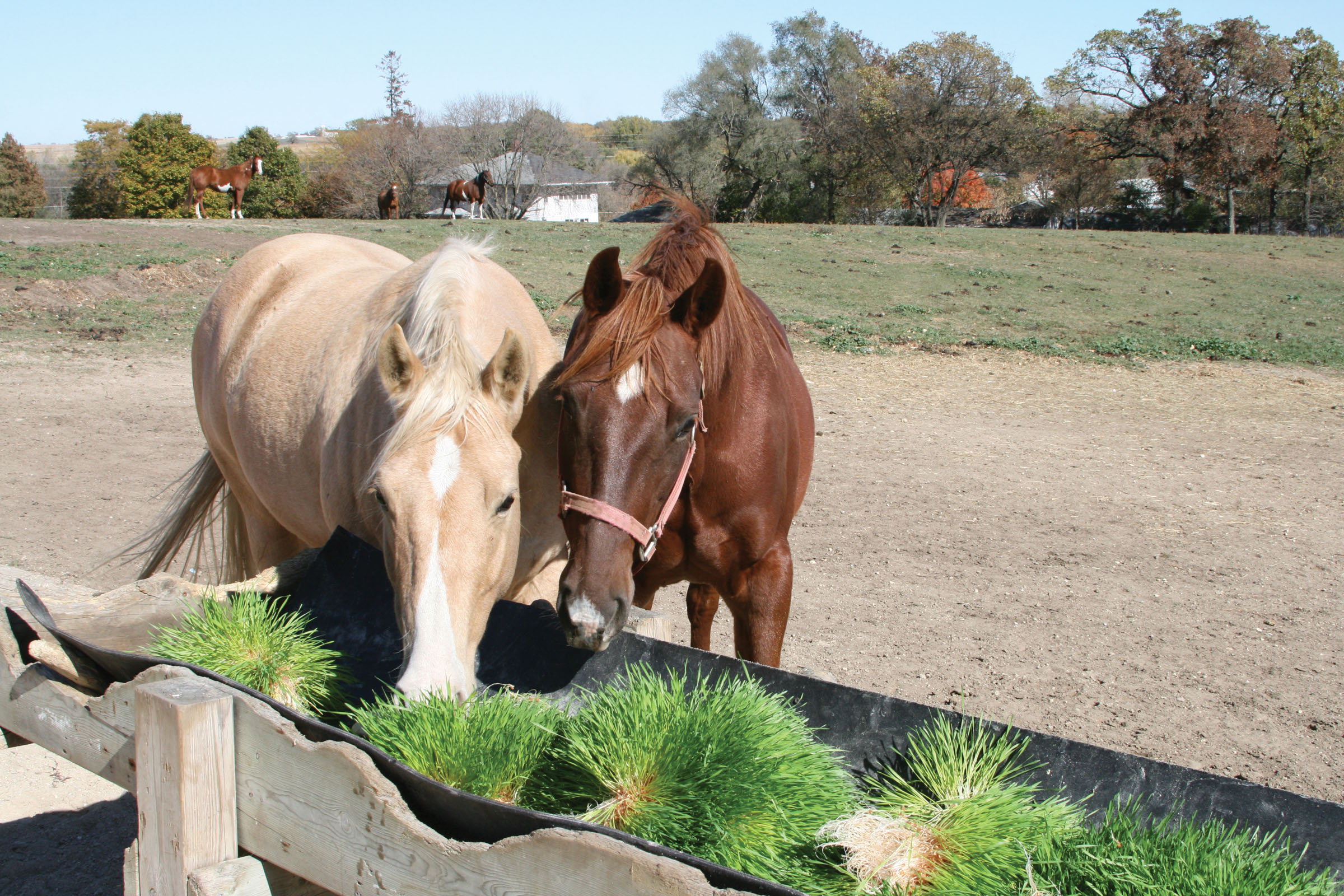
Fresh fodder has to fit the rest of the diet.
Poultry, cattle, horses, sheep, goats and other livestock have different needs. Explore the research and examples behind fodder use, and why feeding combinations matter.
Animal nutrition, farm livelihoods and the environment are connected. Understand the potential benefits and the limits, so you can ask useful questions about your own operation.
Pillar three
Limited resources are a reason to look at feed production differently.
Learn why hydroponic approaches can change the water and space needed to grow feed, and why local conditions still matter. The right choice has to work where you farm.
Real farm stories show the value of observation, records and asking questions. A useful system grows from what your farm needs, rather than from the newest piece of equipment.
GRAB YOUR COPY NOWYourself, your family and your community
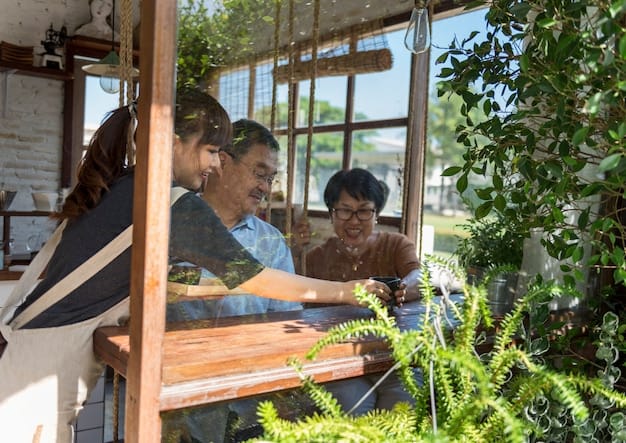
The book connects feed production with the people doing the work. Through Sean’s story and Blooming Health Farms, it explores how hands-on agriculture can create room for learning, purpose and opportunity.
A reader’s perspective
“Sean’s teaching style feels like getting tips from a trusted friend who truly understands the struggles of farming. No jargon, no fluff—just clear, down-to-earth guidance that makes even the most complex ideas easy to follow. With relatable examples and step-by-step advice, you’ll feel confident tackling every challenge and achieving real results, fast.”Gabbi
Hi, I’m Sean Short
At an Extension meeting, I heard about the choices drought was forcing on livestock producers. I came to the problem through hydroponics, but the question was bigger than growing something without soil.
Could a different way of producing feed help keep farming viable?
Thinking Outside the Soil follows that question through research, farmers’ experience and the practical limits of water, land and money. It brings together the science and the questions you need to decide what deserves a closer look.
It’s also part of my work with Blooming Health Farms, where agriculture creates opportunities for young people. The people matter as much as the plants.

What readers are saying
“Hi Sean, I finished your book (interesting and informative read!)...I appreciated the book being easy to read and understand, instead of droning on about things above my head....Oh, and I appreciated the personalized note in your book. Nice touch that made me smile.”Erin, Small-Scale Poultry Farmer
“With this book, Sean has recognized the importance of the Triple-bottom line - People, Planet and Profit. As farmers and stewards of the earth, we must find the most productive ways to grow our food. Sean explains in everyday terms, the ways to grow more feed, with less water and inputs, in a significantly smaller footprint.”Tawnya Sawyer, The Aquaponic Source
“I love the whole fodder “movement” It just makes so much more sense! I read your book and loved it too! It is just like talking to you. I don’t read “non-fiction” books typically, but it was great!”Jolene, Amateur Chicken Keeper
Still got questions?
“Obviously, a ton of research and time went into the author's explanations in layman’s terms, which I really appreciated. Getting to know his background and passion behind Blooming Health Farms was really helpful, and I loved that he also gave us (as readers) other options that he felt were reputable and sound investments.”David · Amazon review
“I love that this book breaks down hard facts to a level I can easily understand and apply. I learned a lot about how hydroponics systems work & why they should be better utilized.”Bookworm · Amazon review
Your next step
Understand the science. Weigh your options. Think outside the soil.
Choose your format in the order form below.
Choose your copy
$24.95
Free shipping.
Includes the Pimpin’ Chicken Rolodex and a Fodder Fit Call.
eBook sold separately.
$7.95
Read digitally on your device.
The standalone digital edition of Thinking Outside the Soil.
$29.95
Physical book + eBook. Free shipping.
Includes the Rolodex and a Fodder Fit Call.
The Pimpin’ Chicken Rolodex: a resource directory with suppliers and industry connections.
Fodder Fit Call: talk through your operation, questions and possible next steps. A fit conversation, rather than a bespoke farm design.
Prefer to listen? Add the audiobook for $9.95 at checkout.
GRAB YOUR COPY NOWChoose one book option at checkout. The audiobook is optional.
Frequently asked questions
Yes. The book covers fodder for a range of livestock, including cattle, horses, poultry, sheep and goats. It applies to questions faced by small and large operations.
Water use is one of the book's central questions. It explains why producing feed differently can change water needs, while helping you consider your own conditions.
That depends on your animals, goals and the approach you choose. The book explores requirements, scale and opportunity cost so you can weigh those commitments before investing.
It includes introductory growing processes, alongside science, examples and comparisons. Its full promise is to help you understand fodder and evaluate fit. A complete DIY implementation package is a separate offer.
Physical-book options include a Fodder Fit Call to discuss your operation and possible next steps. There's no current Skool community included.
The book gives you principles and questions for examining the approach, feeding needs and work involved. It doesn't promise first-try success or a fixed result.
You can begin learning as you read. Farm results depend on what you choose to do and the conditions you work in. No fixed savings or production timeline is promised.
If it's not for you, pass it on to someone who'll love it—and we'll refund you in full, no questions asked.